Here's a brief history of Camiguin.
The name Camiguin is derived from the native word "Kamagong," a tree of the Ebony family that thrives near Lake Mainit in the Province of Surigao del Norte. The original inhabitants of Camiguin were "Manobos" who migrated from Surigao. Thge old native language in Camiguin is called "Kinamiguin," which is similar to the dialect spoken in Surigao. Camiguin was part of the province of Misamis Oriental from 1946 to 1958. It became a sub-province in 1958 and finally in 1968, a full-pledged province with Mambajao as its provincial capital.
Camiguin is an island which has so many tourist attractions ranging from natural, historic and scientific to religious which are only minutes from each other. In the island you will find hot and cold springs, waterfalls, white sandy beaches, lagoons, white islets, breathtaking rain forests, a walkway to the top of an old volcano, ruins of an ancient church, coral reefs and many other interesting sights and landmarks.
Here are some of the places the guide was able to take us.
Katibawasan Falls
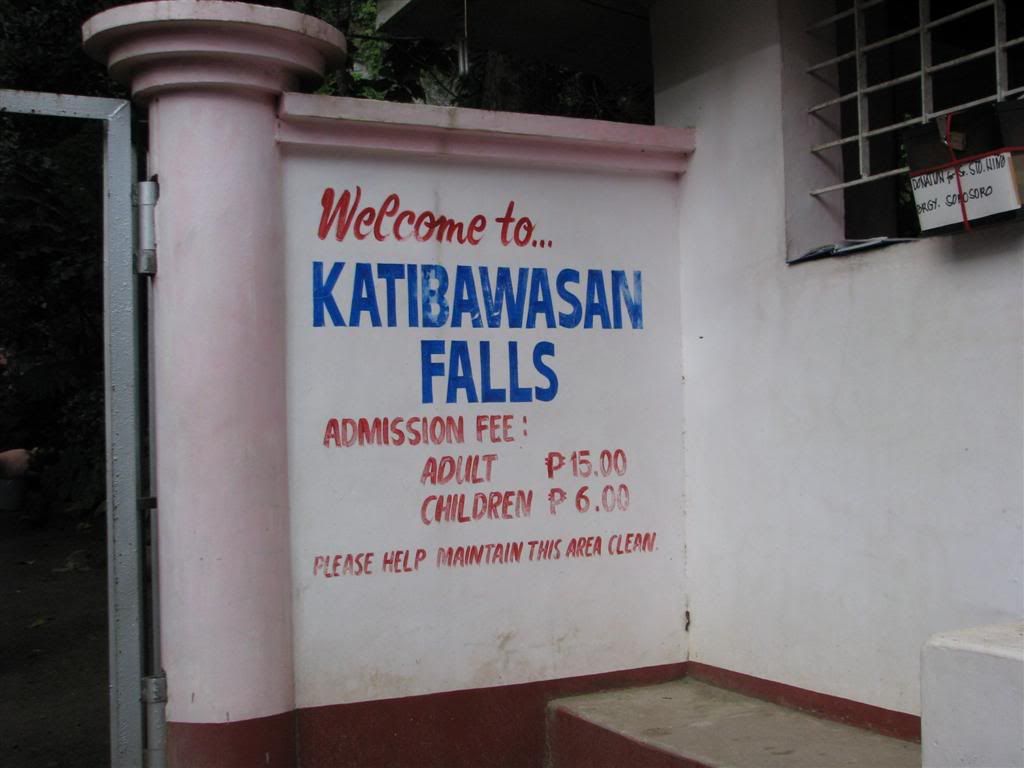
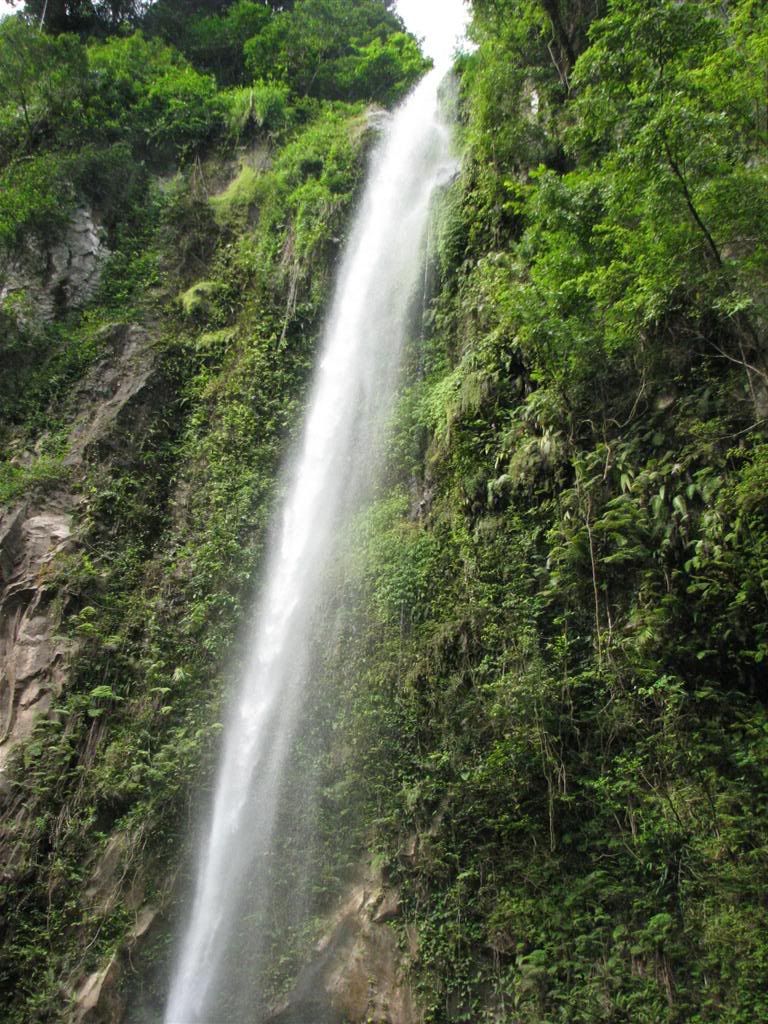
Five kilometers southeast of Mambajao at the foot of Mt. Timpoong. Waterfalls which measure about 250 feet high cascades to a rock pool surrounded by ground orchids, wild ferns, trees and boulders. Ice cold water provides an ideal summer splash to bathers and picnickers. The falls tumble down into a green pool, ideal for a refreshing swim. Giant ferns decorate the surrounding land, carpeting for space with huge trees and dropping vines. It is an ideal place to cool off during hot and humid days. Katibawasan Falls is one of the treasured gifts nature has bestowed on the island of Camiguin.
Ardent Hot Springs
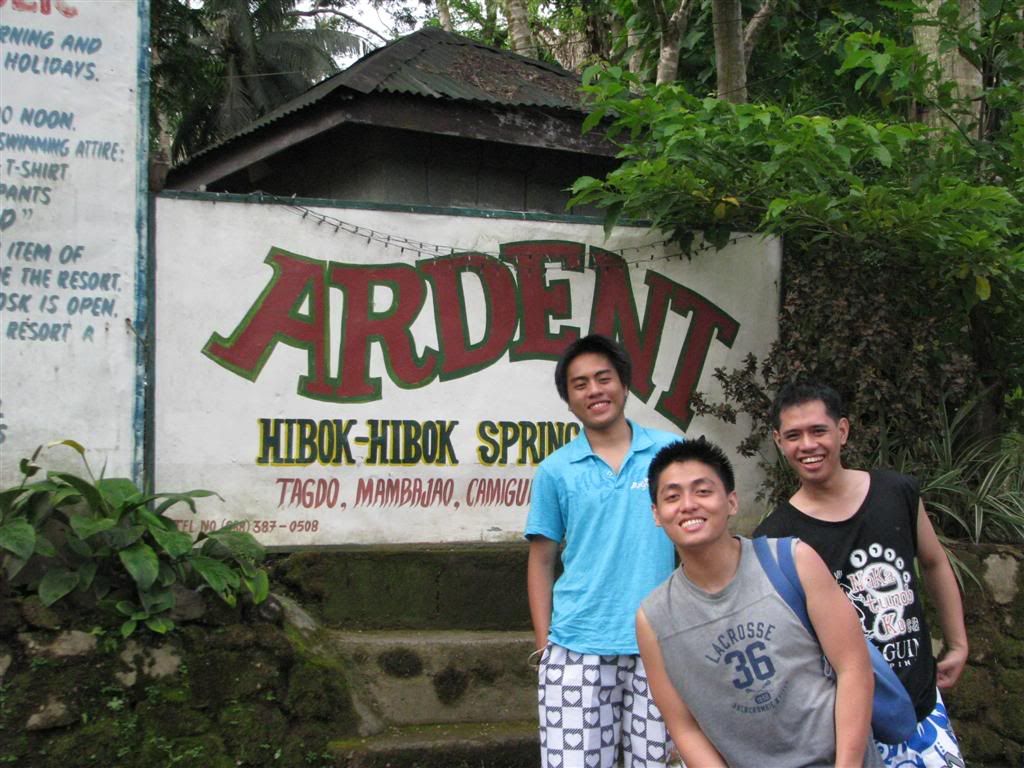
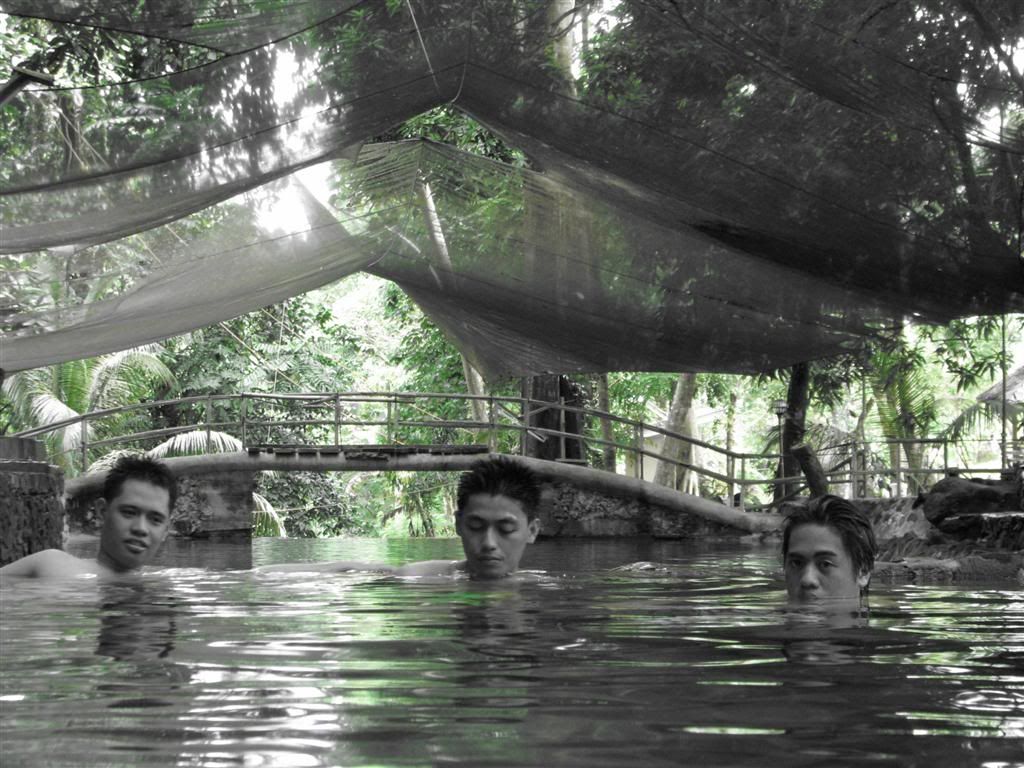
The resort is located six kilometers southwest of Mambajao in Esperanza, Tagdo, Mambajao and is the most popular of Camiguin's hot springs. The hot spa at the resort is a natural pool of about 40 deg C coming from the bowels of Mt. Hibok-Hibok. It has a four-tiered pool of varying depths and warmth. the hottest and shallowest is on top. There are cottages, a restaurant, bar, coffee shop, and dormitory facilities provided for local and foreign tourists. The ideal time for swimming is early morning or late afternoon. Because of the hot temperature of its pools, the suggested length of bathing should not be more than 20 minutes. Dipping in its hot water is a best treatment for any therapeutic ailment since it contains sulphur, which is said to be a medicinal element that may cure some illnesses. Picnic huts, cook-out facilities and restrooms have been put up to accommodate the increasing number of visitors. The resort, with its lush vegetation, offers the serenity and restfulness of quiet and peaceful surroundings.
Sunken Cemetery
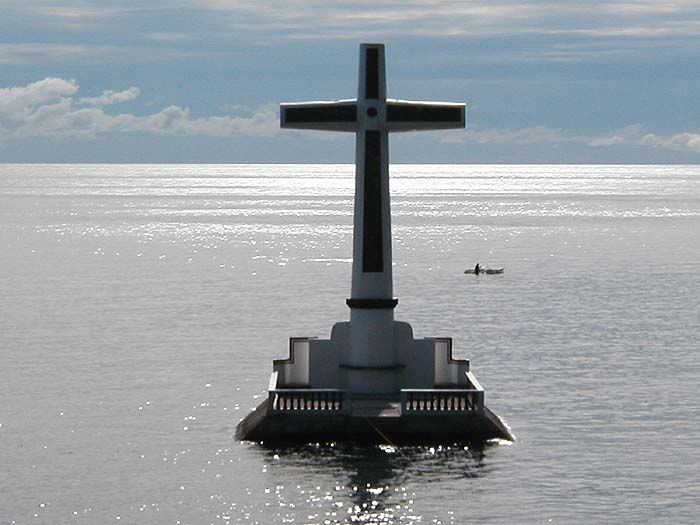
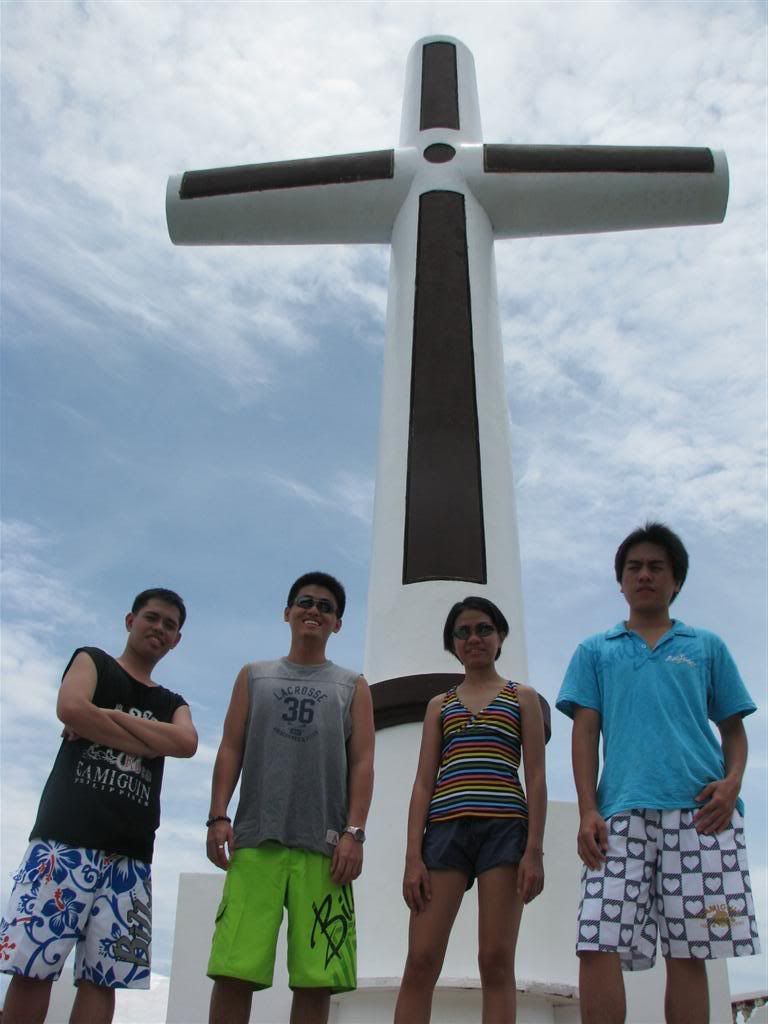
Lying 20 feet underwater in Barrio Bonbon, Catarman lies the sunken cemetery, the remains of a volcanic eruption. Coral encrusted tombstones can still be explored by snorkellers and scuba divers. A huge cross was installed in 1982 to mark the community cemetery which sunk during the 1871 volcanic eruption. The first major Spanish settlement established in 1679 was called Katagman or Katadman (now known as Catarman). This settlement grew and prospered to what is now Barangay Bonbon. On May 1, 1871, Mt. Vulcan Daan erupted and destroyed the town. A portion of the town sank beneath the sea. After the eruption, the settlement moved to where the Catarman town center is presently located. Today, all the remains of old Catarman are the ruins of the ancient Spanish church, a convent, a bell tower and the sunken cemetery.
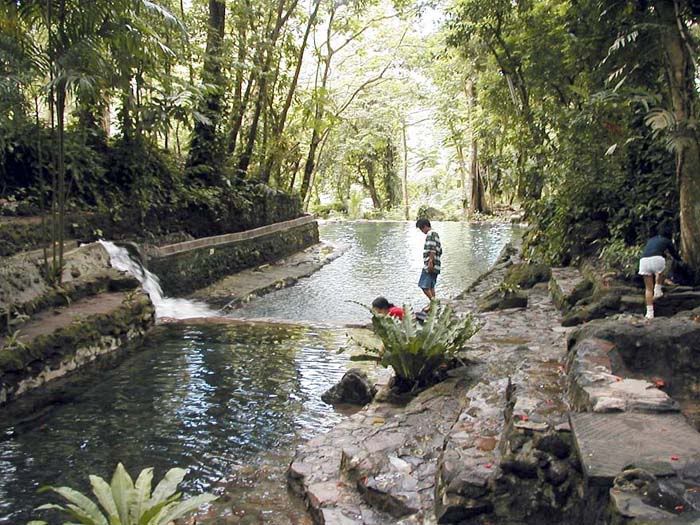
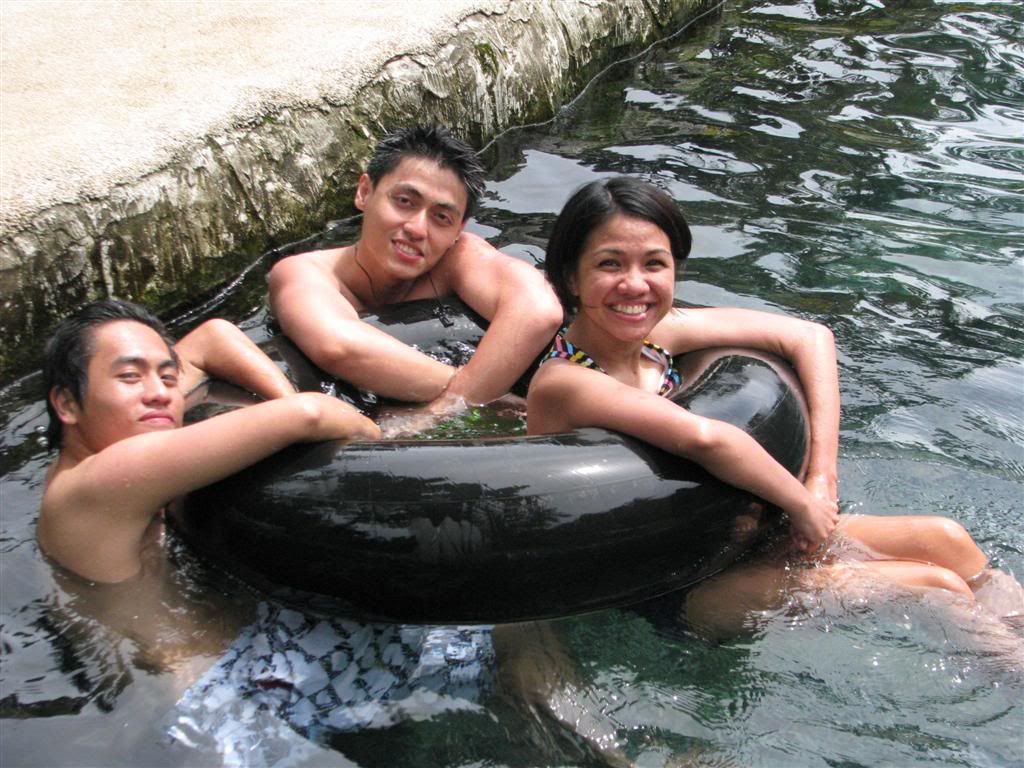
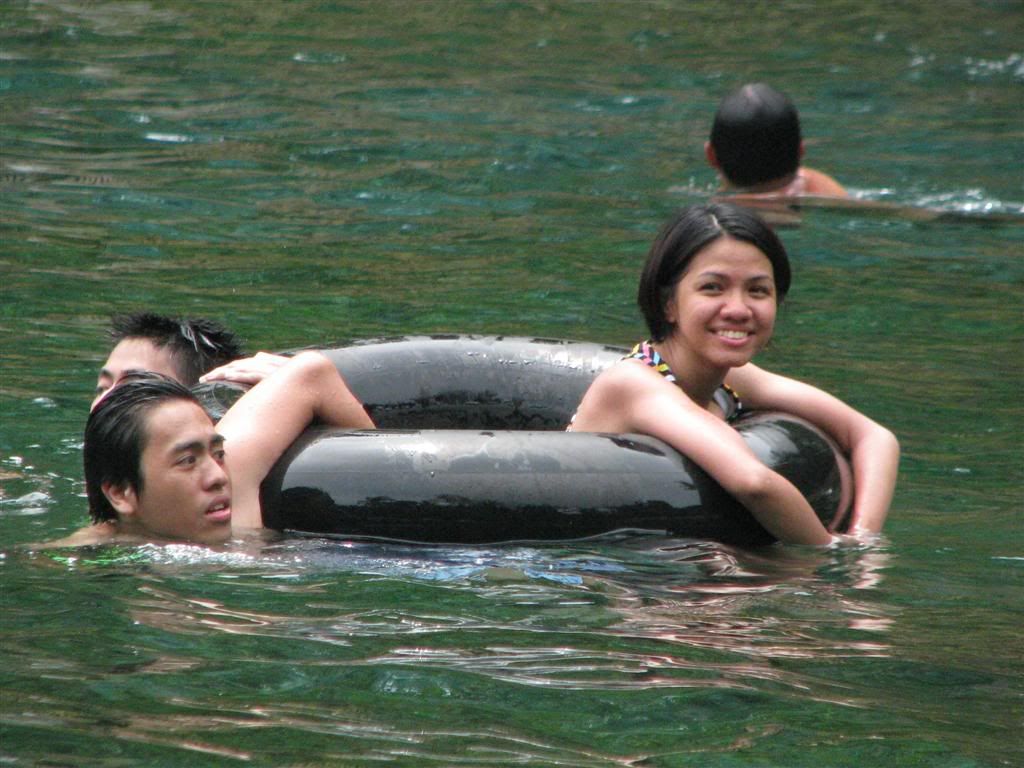
Four kilometers north uphill of Catarman proper with a pool measuring 25 m by 40 m and 1/2 meter deep of cold spring water sprouting from its sandy bottom. The area has stores, picnic huts, cook-out facilities and restrooms for picnickers. The water flows into smaller pools built for children who could not swim in the bigger eight-foot deep lagoon.
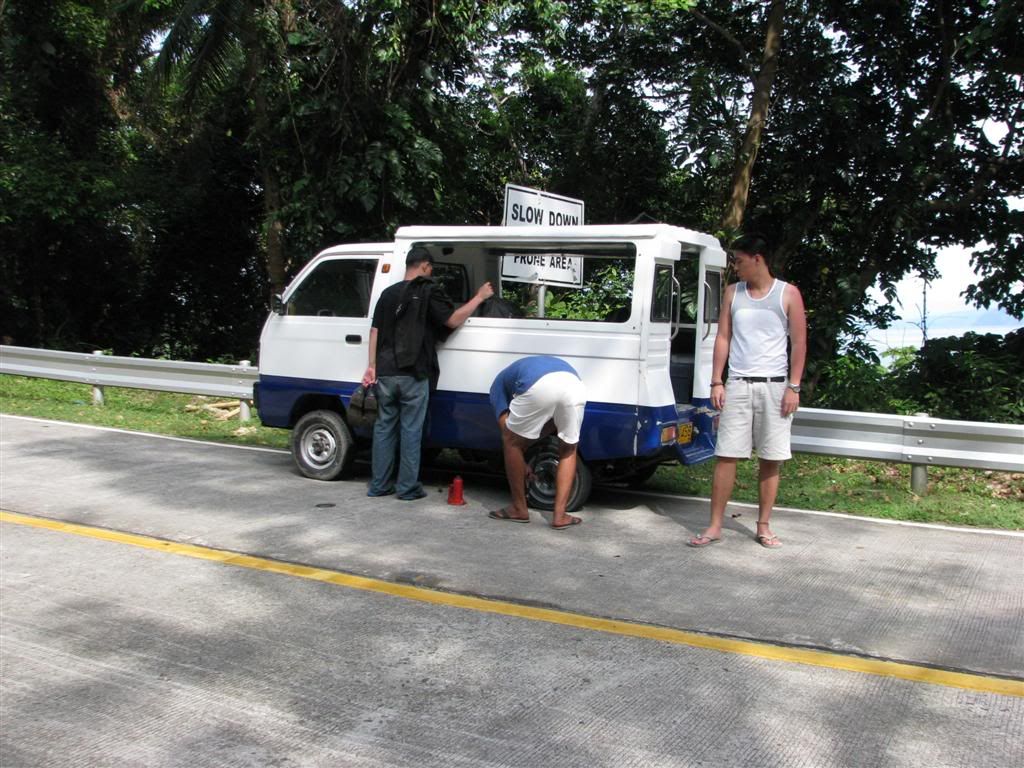
We were not able to visit the other spots since we are running out of time (Paras Super Cat Leaves Camiguin at 3:30PM) not to mention our vehicle had a flat tire...
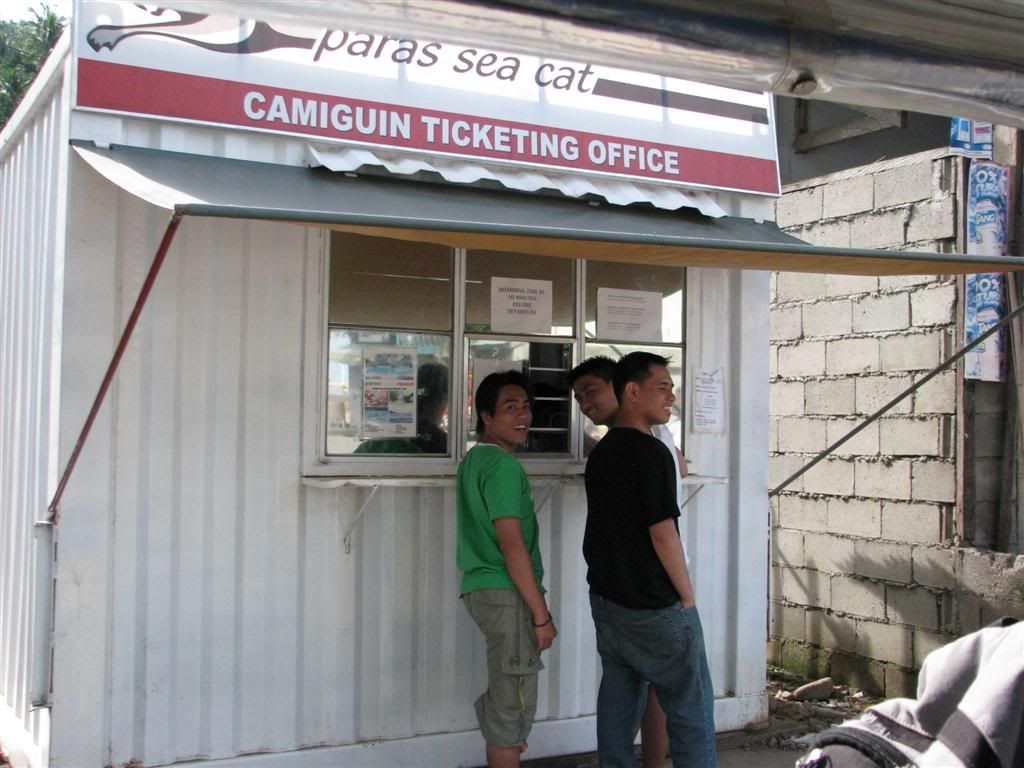
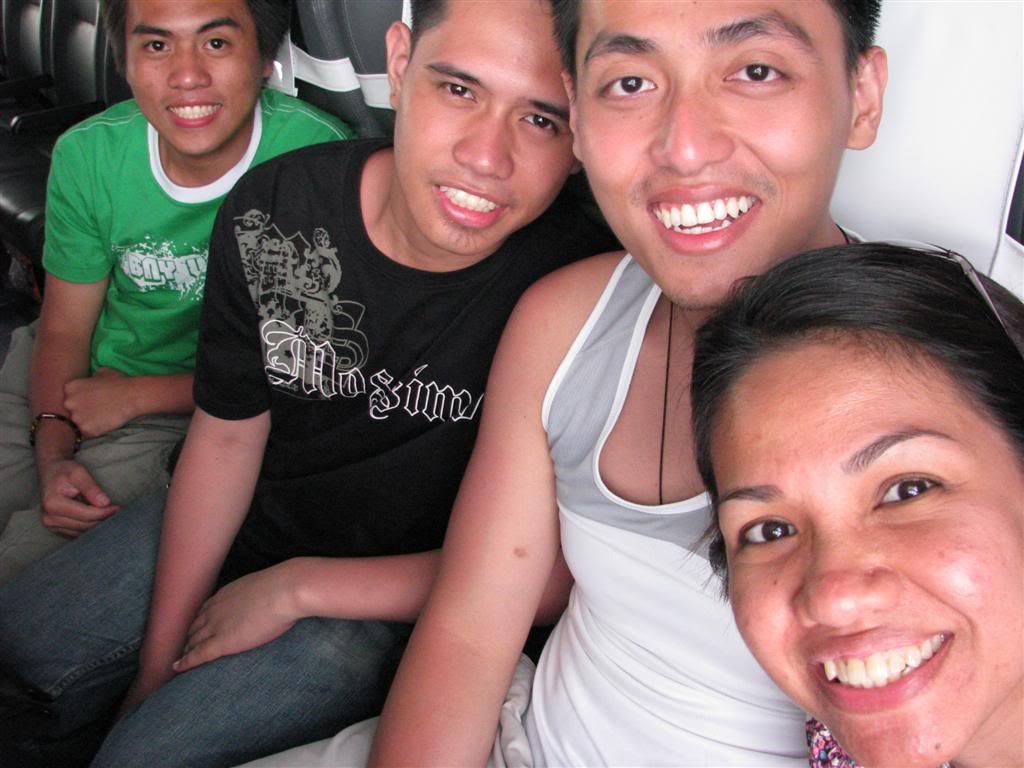
We arrived at cagayan de Oro around 6PM, tired, but satisfied...
The name Camiguin is derived from the native word "Kamagong," a tree of the Ebony family that thrives near Lake Mainit in the Province of Surigao del Norte. The original inhabitants of Camiguin were "Manobos" who migrated from Surigao. Thge old native language in Camiguin is called "Kinamiguin," which is similar to the dialect spoken in Surigao. Camiguin was part of the province of Misamis Oriental from 1946 to 1958. It became a sub-province in 1958 and finally in 1968, a full-pledged province with Mambajao as its provincial capital.
Camiguin is an island which has so many tourist attractions ranging from natural, historic and scientific to religious which are only minutes from each other. In the island you will find hot and cold springs, waterfalls, white sandy beaches, lagoons, white islets, breathtaking rain forests, a walkway to the top of an old volcano, ruins of an ancient church, coral reefs and many other interesting sights and landmarks.
Here are some of the places the guide was able to take us.


Katibawasan Falls
Five kilometers southeast of Mambajao at the foot of Mt. Timpoong. Waterfalls which measure about 250 feet high cascades to a rock pool surrounded by ground orchids, wild ferns, trees and boulders. Ice cold water provides an ideal summer splash to bathers and picnickers. The falls tumble down into a green pool, ideal for a refreshing swim. Giant ferns decorate the surrounding land, carpeting for space with huge trees and dropping vines. It is an ideal place to cool off during hot and humid days. Katibawasan Falls is one of the treasured gifts nature has bestowed on the island of Camiguin.

Ardent Hot Springs
The resort is located six kilometers southwest of Mambajao in Esperanza, Tagdo, Mambajao and is the most popular of Camiguin's hot springs. The hot spa at the resort is a natural pool of about 40 deg C coming from the bowels of Mt. Hibok-Hibok. It has a four-tiered pool of varying depths and warmth. the hottest and shallowest is on top. There are cottages, a restaurant, bar, coffee shop, and dormitory facilities provided for local and foreign tourists. The ideal time for swimming is early morning or late afternoon. Because of the hot temperature of its pools, the suggested length of bathing should not be more than 20 minutes. Dipping in its hot water is a best treatment for any therapeutic ailment since it contains sulphur, which is said to be a medicinal element that may cure some illnesses. Picnic huts, cook-out facilities and restrooms have been put up to accommodate the increasing number of visitors. The resort, with its lush vegetation, offers the serenity and restfulness of quiet and peaceful surroundings.


Sunken Cemetery
Lying 20 feet underwater in Barrio Bonbon, Catarman lies the sunken cemetery, the remains of a volcanic eruption. Coral encrusted tombstones can still be explored by snorkellers and scuba divers. A huge cross was installed in 1982 to mark the community cemetery which sunk during the 1871 volcanic eruption. The first major Spanish settlement established in 1679 was called Katagman or Katadman (now known as Catarman). This settlement grew and prospered to what is now Barangay Bonbon. On May 1, 1871, Mt. Vulcan Daan erupted and destroyed the town. A portion of the town sank beneath the sea. After the eruption, the settlement moved to where the Catarman town center is presently located. Today, all the remains of old Catarman are the ruins of the ancient Spanish church, a convent, a bell tower and the sunken cemetery.


Via Cruzes - Old Volcano Slope
It is where life-size statues depicting the passion, death, and resurrection of Jesus Christ - the 15 Stations of the Cross that dot a trail to Old Volcano's peak are found. At the last station is a sepulcher carefully carved and chiseled out of volcanic rocks. The pilgrims congregate here to pray during Lenten Season.


Four kilometers north uphill of Catarman proper with a pool measuring 25 m by 40 m and 1/2 meter deep of cold spring water sprouting from its sandy bottom. The area has stores, picnic huts, cook-out facilities and restrooms for picnickers. The water flows into smaller pools built for children who could not swim in the bigger eight-foot deep lagoon.


We were not able to visit the other spots since we are running out of time (Paras Super Cat Leaves Camiguin at 3:30PM) not to mention our vehicle had a flat tire...


We arrived at cagayan de Oro around 6PM, tired, but satisfied...


